

 Cart is empty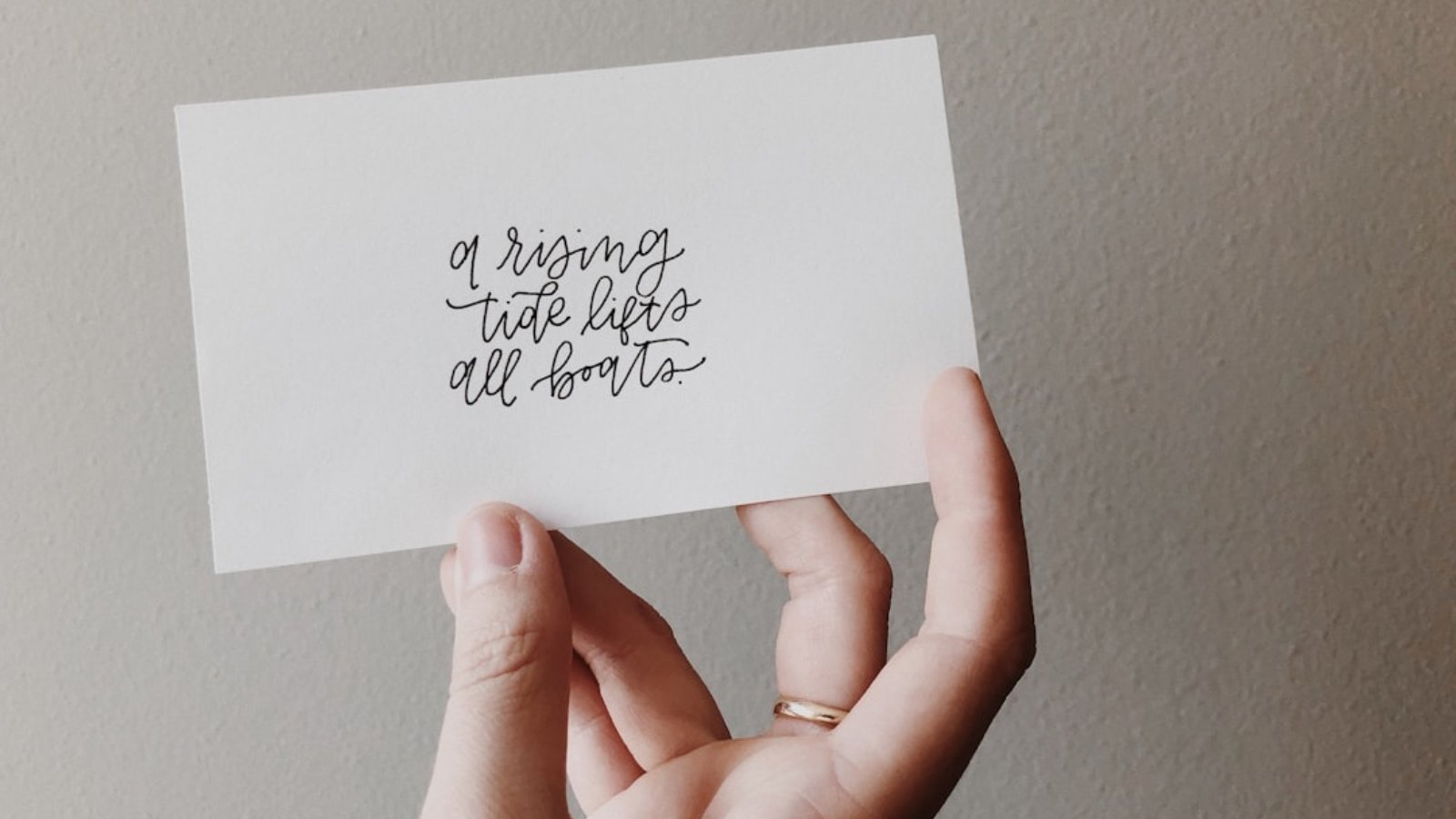
In a world that hums with the constant ping of notifications and the glow of screens, I’ve always found a peculiar solace in something decidedly analog: handwritten cards. And as a biker, this preference isn’t just a sentimental quirk; it’s a deeply ingrained part of our culture, a tangible expression of a bond that transcends the ephemeral nature of digital communication. We’re a tribe, built on shared experiences, loyalty, and a raw, visceral connection to the open road. In this digital age, why do we still cling to the ink and paper?
For me, and I suspect for many of my fellow riders, a handwritten card is an experience. It’s not just about the message; it’s about the entire sensory engagement. The weight of the cardstock in my hand, the subtle texture of the paper, the faint scent of ink – these are all elements that a sterile email or a fleeting text message simply cannot replicate. It’s a physical object that carries intention, a deliberate act of communication in a world that often prioritizes speed and efficiency over depth and meaning.
The Weight of Thought
When I sit down to write a card, I’m not just tapping out a few quick sentences. I’m choosing the card, I’m selecting a pen, and I’m dedicating a block of time to formulate my thoughts. This act itself imbues the message with a certain weight. It suggests that the recipient is worth this investment of time and effort. In contrast, a digital message can feel dismissive, as if it was an afterthought, sent between other digital interactions. There’s a certain respect inherent in the effort of physically crafting a message.
The Uniqueness of the Stroke
Every hand is different, and every pen leaves a unique mark. My handwriting, with its slight slant and occasional flourish, is an extension of myself. When someone receives a card from me, they’re not just reading my words; they’re seeing a part of me in the very shape of the letters. This personal touch is something that digital fonts, no matter how sophisticated, can never truly replicate. It’s the imprint of my personality, a tangible representation of my presence.
The Memento Factor
Handwritten cards become mementos. I have stacks of them from friends, from my riding buddies, from my significant other. They’re tucked away in boxes, pinned to corkboards, or displayed on shelves. Each one is a physical reminder of a moment, a sentiment, a relationship. I can pull them out years later and relive the feeling of receiving them. A digital message, however, can easily get lost in a cluttered inbox, buried beneath an avalanche of other communications. It lacks the permanence, the tangible history that a handwritten card possesses.
In exploring the enduring appeal of handwritten cards among bikers, it’s interesting to consider how this preference aligns with the broader themes of authenticity and personal connection in a digital age. For a deeper dive into the culture surrounding biking and the values that drive these enthusiasts, you can check out the related article at Bike Banter. This piece delves into the unique community aspects of biking and how they foster a sense of belonging that transcends the convenience of digital communication.
Beyond the Brotherhood: The Language of the Road
Our biking community is more than just a shared hobby; it’s a brotherhood, a sisterhood, a family forged on the asphalt. And within this family, communication often takes on a language all its own, one that a handwritten card can articulate with a unique resonance. It’s a language of respect, of shared understanding, and of a deep, unspoken bond that often defies the limitations of digital brevity.
The Nod and the Wave: Analog Signals of Connection
Think about the biker wave. It’s a simple, instinctive gesture, but it carries a profound meaning. It’s a silent acknowledgment of a shared passion, a recognition of kindred spirits on the road. A handwritten card operates on a similar principle. It’s a deliberate act of reaching out, a tangible wave across the miles, a signal that says, “I’m thinking of you, and I value our connection.” It’s a more formal, more thoughtful version of that spontaneous wave.
Remembering the Milestones
Life’s milestones are important to us. Birthdays, anniversaries, achievements, even the quiet reflection after a challenging ride – these are moments that deserve more than a quick emoji or a celebratory text. A handwritten card allows me to express my genuine joy, my sincere condolences, or my heartfelt congratulations in a way that feels truly meaningful. It’s about taking the time to articulate those sentiments, to put them down on paper in a way that can be cherished.
The “Thinking of You” That Really Means It
In a digital world, “thinking of you” can be a casual phrase. But when I send a handwritten card simply because I’m thinking of someone, it’s a deliberate act of connection. It’s a way to bridge the distance, to let someone know they’re on my mind, even if we haven’t spoken in a while. It’s a reminder of the enduring nature of our friendships and the community we’ve built. It’s an antidote to the fleeting nature of online interactions.
The Art of Surprise: A Welcome Interruption
In an era of constant digital bombardment, a handwritten card stands out. It’s an unexpected delight, a physical arrival that cuts through the digital noise and creates a moment of genuine surprise. For me, and for many bikers, this element of surprise is a cherished aspect of receiving and sending these tangible messages.
The Mailbox Moment
There’s a unique thrill in checking the mailbox and finding something other than bills or junk mail. A handwritten card is a delightful anomaly, a promise of a personal connection waiting to be unfolded. It’s an event in itself, a small pocket of anticipation in an otherwise predictable routine. It’s a physical manifestation of someone thinking of you, arriving right at your doorstep.
The Pause in the Digital Deluge
Our phones are constantly buzzing, our inboxes overflowing. It’s a relentless stream of information and demands. A handwritten card, however, requires a different kind of attention. It demands a pause, a moment to sit down, to open it, and to truly read it. This act of deliberate engagement is a welcome respite from the always-on nature of digital communication. It’s an invitation to slow down and savor the moment.
The Tangible “Wow” Factor
When I receive a beautifully crafted card, or even a simple note scribbled with care, there’s an undeniable “wow” factor. It’s the unexpected joy of a physical object arriving with a personal message. It’s the contrast to the intangible nature of most digital interactions. It’s a tangible reminder that someone took the time and effort to connect with me in a way that feels special and lasting.
The Legacy of Ink: Building Lasting Connections
As bikers, we often talk about the freedom of the road, the open sky, and the bonds we forge. These are not fleeting things; they are meant to last. And in the same way, a handwritten card serves as a building block for these lasting connections, a physical testament to relationships that endure.
Beyond the Ephemeral Hashtag
Social media is great for quick updates and sharing moments. But the depth of connection, the kind that truly matters, often goes beyond a hashtag or a fleeting comment. A handwritten card allows for a more nuanced expression of feelings, a more detailed recounting of experiences, and a more profound articulation of what a relationship means. It’s about building a legacy of connection, not just fleeting online interactions.
The Storyteller’s Scroll
When I write a card, especially to a close friend or family member, I often find myself recounting stories, sharing anecdotes, or reflecting on shared memories. It’s a more personal and intimate form of storytelling than a social media post. It’s like opening a small scroll of personal history, a treasure trove of shared experiences. These cards become a part of the narrative of our relationships.
The Enduring Symbol of Care
In a world that can feel increasingly impersonal, a handwritten card is a powerful symbol of care. It’s a tangible affirmation that someone took the time to reach out, to express their thoughts and feelings, and to make a physical connection. This enduring symbol of care is something that resonates deeply with me, and I believe it’s a sentiment that’s increasingly valued in our fast-paced digital world.
In exploring the reasons behind the enduring popularity of handwritten cards among bikers, it’s interesting to consider how personal connections are valued in various aspects of life. For instance, a related article discusses ways to enhance your experience at the gym, emphasizing the importance of building relationships and community in fitness settings. You can read more about this topic in the article on getting the most out of your gym membership, which highlights how personal touches can make a significant difference in any environment.
The Future of the Card: A Timeless Tradition
While the digital world continues to evolve at an unprecedented pace, I don’t believe the handwritten card is destined for extinction. In fact, I think its value is only increasing. It’s a timeless tradition that offers something genuinely unique and deeply human, something that even the most advanced technology can’t quite replicate.
The Complement, Not the Replacement
I’m not suggesting we abandon digital communication entirely. Email and text messages have their place, and they are invaluable tools for staying connected. However, I see handwritten cards as a complement, a way to add depth and personal touch to our digital lives. They offer a different kind of connection, one that enriches and strengthens our relationships.
The Nostalgic Appeal for a New Generation
Even younger generations, who have grown up immersed in the digital world, are starting to rediscover the charm of handwritten correspondence. There’s a certain romanticism, a nostalgic appeal, to receiving a card that feels personal and unique. I believe this appreciation will only grow, as people seek out more authentic and meaningful ways to connect.
The Enduring Power of the Personal Touch
Ultimately, the preference for handwritten cards among bikers, and indeed many others, comes down to the enduring power of the personal touch. In a world that often feels mass-produced and impersonal, a handwritten card is a beacon of individuality and genuine connection. It’s a reminder that behind every screen, there’s a person, and that person’s words, penned by their own hand, carry a weight and warmth that digital communication can rarely match. For me, as a biker, this tangible expression of connection is more than just a preference; it’s a fundamental part of how I build and maintain the relationships that mean the world to me, relationships forged on the open road and cemented with ink on paper.
FAQs
Why do bikers prefer handwritten cards in a digital world?
Bikers prefer handwritten cards because it allows for a personal touch and a more meaningful connection with the recipient. In a digital world where communication is often quick and impersonal, bikers appreciate the effort and thoughtfulness that goes into sending a handwritten card.
What is the significance of handwritten cards to bikers?
Handwritten cards hold sentimental value to bikers as they are often seen as a tangible representation of the time and effort put into maintaining relationships. Bikers value the tradition of exchanging handwritten cards as a way to express gratitude, love, and support to their fellow riders and community.
How do handwritten cards contribute to the biker culture?
Handwritten cards play a significant role in the biker culture by fostering a sense of camaraderie and solidarity among bikers. The act of exchanging handwritten cards strengthens the bonds within the biker community and reinforces the values of friendship, loyalty, and respect.
What are the reasons behind bikers’ preference for handwritten cards over digital communication?
Bikers prefer handwritten cards over digital communication because it allows for a more personal and heartfelt expression of emotions. Handwritten cards provide a tangible and lasting memento that digital messages cannot replicate, making them more meaningful and cherished within the biker community.
How do handwritten cards reflect the values of the biker lifestyle?
Handwritten cards reflect the values of the biker lifestyle by embodying the principles of authenticity, sincerity, and connection. In a culture that values genuine relationships and meaningful interactions, handwritten cards serve as a symbol of the enduring traditions and close-knit bonds within the biker community.


Add a Comment